
 Deutsch
 English

"Good Teaching" Toolkit Puts Learning at the Center of Planning
In the spirit of the "shift from teaching to learning"
Guiding Questions:
- What prior knowledge, skills, and competencies do students bring with them?
- What motivates students, and what are their interests and expectations regarding the course?
- How can students achieve the intended learning outcomes, and how can I support them? Which teaching and learning methods are most appropriate?
- What different learning styles and learning preferences exist?
- How can I best support these different learning approaches?
Means of Achieving Goals:
- Adopt the students' perspective and consider their learning needs.
- Ask the first two guiding questions at the beginning of the course—verbally, in writing, or using digital tools.
- Communicate expectations clearly.
- Ensure transparency regarding learning objectives, teaching methods, course structure, and assessment.
- Emphasize practical relevance by connecting content and demonstrating its value in future professional contexts.
- Address diverse learning preferences by incorporating a variety of teaching methods, media, and digital learning opportunities.
- Follow the principles of gender-equitable and inclusive teaching.
- Demonstrate enthusiasm and curiosity for your discipline and share your personal perspective on the subject matter.
- Gather interim feedback on students' learning progress.
- Use formative assessment methods to support learning.
Keywords:
- Shift from Teaching to Learning
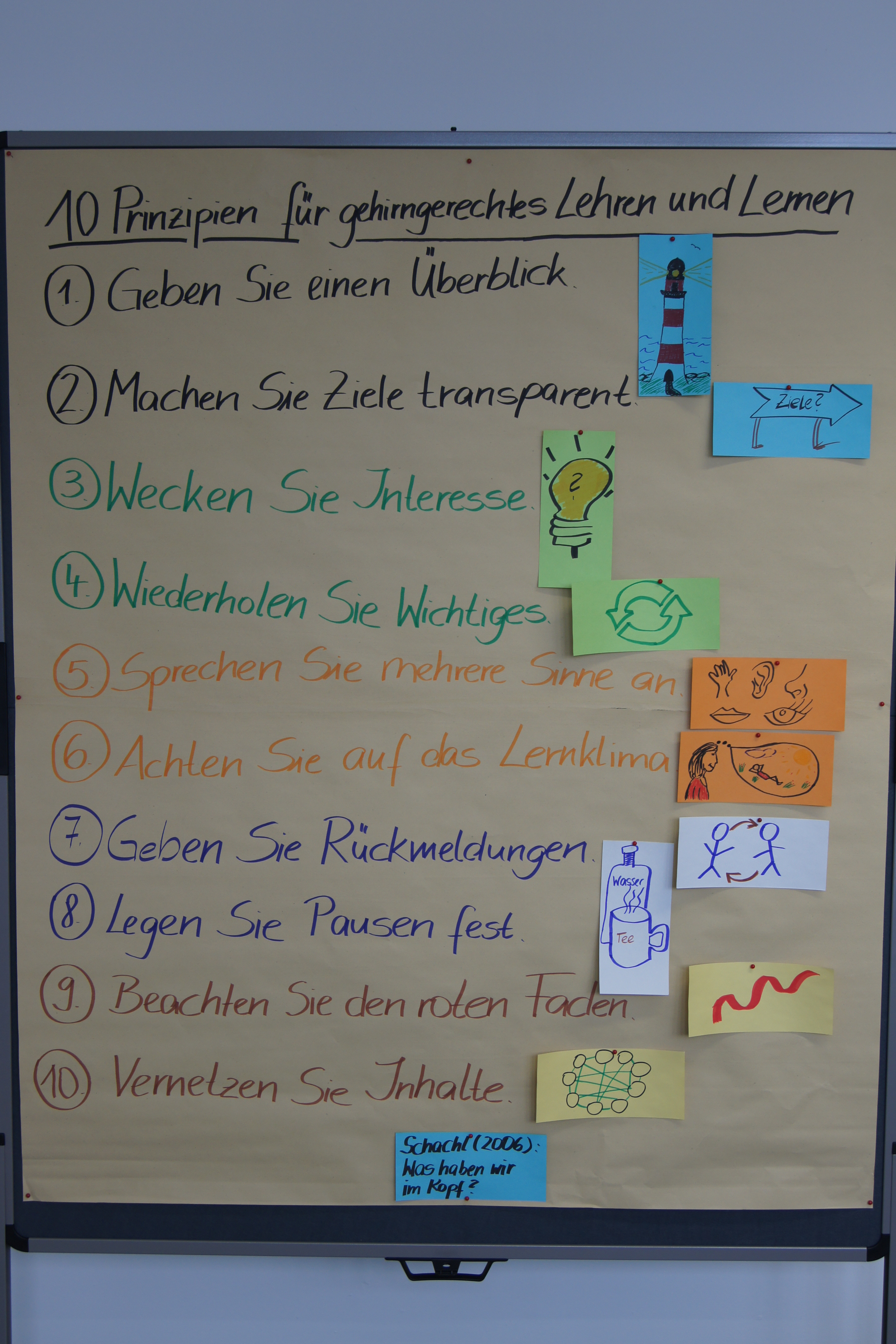
- 10 Principles of Brain-Based Learning
- Competency-Based Teaching and Learning
- Learning Approaches, Learning Strategies, and Learning Styles
- Teaching Philosophy
- Learning Coaching
- Motivation
- Misconceptions
- Threshold Concepts and Conceptual Change
- Feedback and Evaluation
- Formative Assessment
Contact & Service

ADDRESS & DIRECTIONS
Center for Higher Education Didactics
Arnold-Sommerfeld-Str. 6
38678 Clausthal-Zellerfeld
Rooms 211–215
Directions: Campus map, C9
CONTACT
Tel: +49 5323723054
Fax: +49 5323723059
Email: hochschuldidaktik@tu-clausthal.de